

Summer Holiday Pet Safety: Your Guide to Safe Festive Fun
At Drovers Vet Hospital, we know that December brings both joy and unique risks that every Perth pet owner needs to understand. Whether your pet loves the holiday excitement or struggles with the intense heat, we've got essential safety tips to ensure they enjoy the season safely.
Perth's Extreme Summer Heat Hazards
December in Perth can be unforgiving, with temperatures regularly exceeding 35°C and pavement temperatures reaching dangerous levels. Here's how to protect your pets from Western Australia's intense summer conditions:
Recognising Heatstroke in Pets
Perth's December heat can be deadly for pets. Unlike humans, dogs and cats can't regulate body temperature as effectively, making heatstroke a serious emergency.
Critical warning signs:
- Excessive panting or drooling
- Lethargy or weakness
- Vomiting or diarrhhoea
- Loss of coordination
- Bright red gums and tongue
Emergency response: Move your pet to shade immediately, offer small amounts of cool (not cold) water, and contact Drovers Vet Hospital straight away.
Pavement & Surface Safety
Perth's summer pavement can reach 60°C—hot enough to cause severe burns within seconds. Use the "hand test": if you can't hold your palm on the pavement for 5 seconds, it's too hot for your pet's paws.
Safe exercise alternatives:
- Walk during cooler hours (before 7am or after 8pm)
- Choose grassy or shaded areas
- Consider protective booties for sensitive paws
- Stick to beach sand near the water's edge where it's cooler

Holiday Food & Decoration Dangers
Christmas in Australia brings unique food hazards that can be toxic to pets:
Australian Christmas Food Hazards
- Christmas ham: High sodium and cooked bones can cause serious digestive issues
- Pavlova and summer desserts: Artificial sweeteners (xylitol) are extremely toxic to dogs
- Seafood platters: Prawns and fish bones pose choking and digestive risks
- Stone fruit: Peach and apricot stones contain cyanide compounds
- Macadamia nuts: Particularly dangerous for dogs and common in Australian holiday treats
Decoration & Gift Safety
- Christmas trees: Pine needles and tree water additives can cause stomach upset
- Fairy lights: Electrical cords present chewing hazards
- Tinsel and ribbons: Can cause serious intestinal blockages if swallowed
- Gift wrapping: Tape, string, and small decorative items are choking hazards
Managing Holiday Stress & Summer Challenges
Creating Cool, Calm Spaces
Summer holidays mean more people, noise, and activity—potentially overwhelming for pets already stressed by extreme heat.
Comfort strategies:
- Set up air-conditioned "safe zones" away from party areas
- Provide multiple water stations with fresh, cool water
- Use cooling mats and elevated beds for better air circulation
- Maintain regular feeding schedules despite holiday disruptions

Beach & Pool Safety
Western Australia's stunning coastline beckons during December, but water activities require vigilance:
Beach safety essentials:
- Saltwater monitoring: Too much can cause dehydration and stomach upset
- Hot sand awareness: Can burn paw pads as severely as pavement
- Rip current dangers: Keep dogs on leash near surf
- Marine life: Jellyfish and blue-ringed octopus pose serious threats
Pool safety:
- Never leave pets unattended near pools
- Provide easy exit points (ramps or steps)
- Monitor for water intoxication from excessive drinking while playing
- Travel & Car Safety in Extreme Heat
Never Leave Pets in Cars
Perth's December temperatures can turn cars into deadly ovens within minutes. Even with windows cracked, interior temperatures can reach 70°C, causing fatal heatstroke in less than 10 minutes.
Travel safety tips:
- Plan frequent stops in air-conditioned locations
- Use sunshades and cooling mats
- Carry extra water and a portable bowl
- Consider pet-safe cooling vests for longer journeys
Top Perth Summer Destinations for Pets
Dog Beach, Fremantle
Early morning visits offer cooler sand and calmer conditions. The off-leash area provides excellent exercise opportunities before the day heats up.
Best for: Water-loving dogs, early morning exercise, and socialisation.
Hyde Park
Mature trees provide essential shade, and multiple water fountains help keep pets hydrated during shorter walks.
Best for: Senior dogs, shade-seeking pets, and quick exercise sessions.
Canning River Regional Park
River access provides natural cooling opportunities, while shaded walking trails offer respite from direct sun.
Best for: Active dogs who enjoy water, longer adventures during cooler parts of the day.
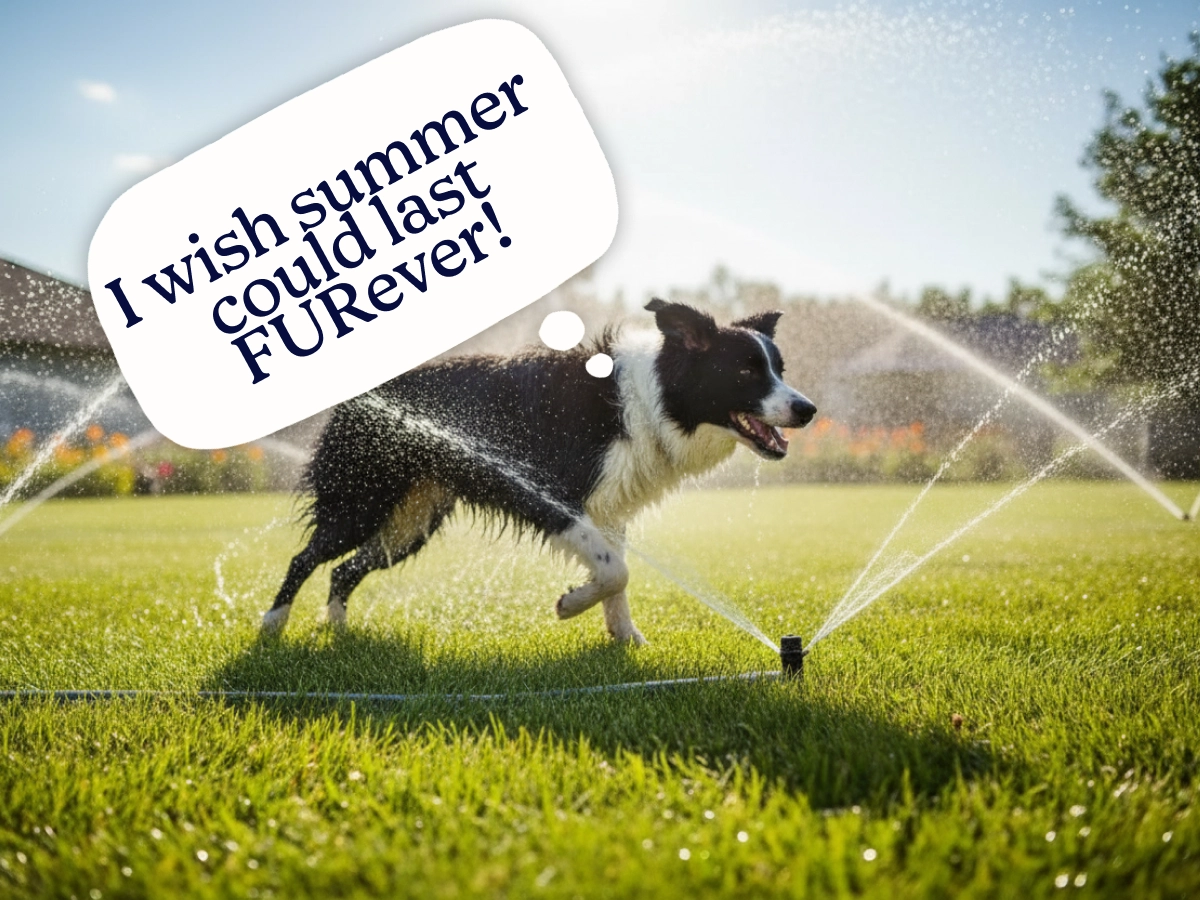
Essential Summer Care
Hydration is Critical
Perth's dry summer heat rapidly dehydrates pets. Ensure constant access to fresh, cool water and watch for signs of dehydration: dry gums, lethargy, and decreased skin elasticity.
Grooming Considerations
While it might seem logical to shave long-haired pets, their coat actually provides insulation against heat. Instead, focus on regular brushing to prevent matting and improve air circulation.
Parasite Prevention Intensifies
Summer heat doesn't just affect pets—it accelerates flea and tick lifecycles. Maintain year-round parasite prevention and check pets thoroughly after any outdoor activities.
Your Partner in Summer Safety
At Drovers Vet Hospital, we want your family—including the four-legged members—to enjoy Perth's beautiful summer safely. December's extreme conditions require extra vigilance, but with proper preparation, your pets can still enjoy the holiday season.
Concerned about your pet's summer readiness or holiday safety? Our team is experienced in managing Perth's unique summer challenges. From heatstroke prevention to emergency care, we're here to support you through the hottest time of year.
Contact Drovers Vet Hospital today to discuss summer safety strategies and ensure your pet is prepared for Perth's December heat. Because every holiday memory should be a happy one—especially for our furry family members!
Heading 1
Heading 2
Heading 3
Heading 4
Heading 5
Heading 6
Lorem ipsum dolor sit amet, consectetur adipiscing elit, sed do eiusmod tempor incididunt ut labore et dolore magna aliqua. Ut enim ad minim veniam, quis nostrud exercitation ullamco laboris nisi ut aliquip ex ea commodo consequat. Duis aute irure dolor in reprehenderit in voluptate velit esse cillum dolore eu fugiat nulla pariatur.
Block ed do eiusmod tempor incididunt ut labore et dolore magna aliqua. Ut enim ad minim veniam, quis nostrud exercitation ullamco laboris nisi ut aliquip ex ea commodo consequat. Duis aute irure dolor in reprehenderit in voluptate velit esse cillum dolore eu fugiat nulla pariatur.
Ordered list
- Item 1
- Item 2
- Item 3
Unordered list
- Item A
- Item B
- Item C
Bold text
Emphasis
Superscript
Subscript

Although chocolate may be one of your favourite treats, never feed chocolate to your pet. It is poisonous for them! It contains substances called theobromine and caffeine (methylxanthine alkaloids) which are also contained in coffee, tea and some over-the-counter stimulants.
Chocolate poisoning is most commonly seen in dogs because of their habit to ingest food rapidly and they often have a “sweet tooth”. We see a higher incidence in puppies and young dogs, probably because they tend to ingest large amounts of unusual foods.
Chocolate poisoning can also affect cats, birds, rodents and reptiles however we see these cases much less frequently.
Symptoms of Chocolate Poisoning
The toxins in chocolate can affect you pet’s digestive system, nervous system and cardiovascular system.
Digestive system
- Vomiting & diarrhoea (2-4 hours after ingestion)
Nervous System
- Excitation/restlessness (increased body temperature, alertness)
- Muscle rigidity & tremors
- Seizures
Cardiovascular
- Increased respiratory rate
- Increased heart rate
- Reduced blood pressure (hypotension)
- Progresses to cardiac failure leading to weakness, coma and death can occur within 12-36 hours after ingestion.
The toxins are found in the highest concentration in cooking chocolate and dark chocolate, and there are lesser amounts in milk chocolate. There is almost no toxins are found in white chocolate.
Diagnosis
Chocolate poisoning can look similar to many poisonings or other conditions. Serious poisonings such as that caused by strychnine, amphetamines, pesticides, and some rodenticides can cause similar signs.
If you know your pet has eaten chocolate, contact us immediately, especially if your pet is showing any of the symptoms above. If possible, bring any vomit to the clinic as well, since this may aid in rapid identification of the toxic substance. Your veterinarian will need to examine your dog's nervous system and cardiac function carefully. He/she may want to run some blood tests to check for blood sugar levels and rule out other diseases. Since this poisoning progresses rapidly, signs may need to be treated symptomatically until a laboratory diagnosis is confirmed.
Treatment
There is no antidote for chocolate poisoning. Your veterinarian may use drugs to induce vomiting if the chocolate was consumed within the previous 2 - 4 hours or they may even need to administer a general anaesthetic in order to pass a tube into the stomach to wash
Once the chocolate is out activated charcoal treatment may be given to prevent any toxins remaining from being absorbed.
Pets that show more severe symptoms may need more specific medications in order to control the seizures and to prevent heart failure.
The expected course of chocolate poisoning is 12 to 36 hours depending on the dosage and effectiveness of treatment. Prognosis is good if the chocolate is removed within 2 to 4 hours of ingestion. Prognosis is guarded in animals with advanced signs such as seizures and serious heart dysfunction. So, please remember to keep your chocolates, cakes and chocolate-coated goodies safely away from your pets. Stick to healthy treats if you want to reward your special furry or feathered friend.
Have more questions?
Our state-of-the-art facility offers separate consultation rooms for dogs and cats, a fully equipped in-house laboratory, and specialised suites for surgery and dental care. For those tender moments, our uniquely designed Grief.


